AI Fake Creators Are Getting Disturbingly Good at Fooling You
·2 min read·Beginner
“
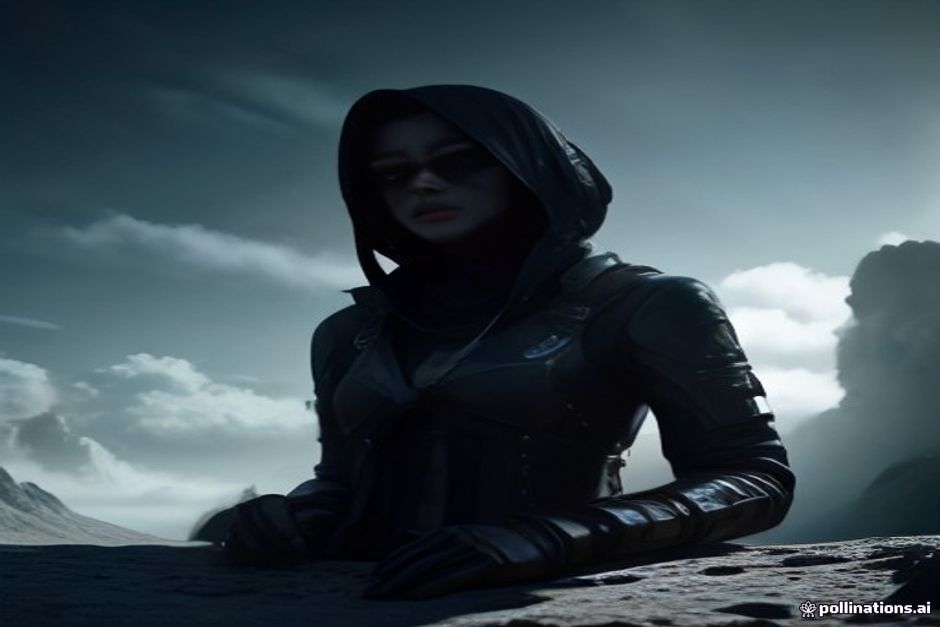
Remember when AI influencers looked obviously fake—weird eyes, plastic skin, the whole uncanny valley thing? Those days are ancient history now. Spotting the difference between a real profile and one cooked up by an algorithm is getting harder than finding a typo in a professional copywriter's work.
In 30 seconds
01Fake AI creators are now indistinguishable from real ones: they generate photos, videos, and coherent text in hours.
→
💡
What this means for you
That Instagram profile you thought was a real person might actually be a robot that doesn't exist. Watch who you follow, pay attention to sponsorships, and remember: millions of followers don't mean anything anymore.
Thought slapping 'AI' next to a company name guaranteed its stock would soar? Well, the market had a bitter surprise this year.
·1 min·2·Beginner
02
They monetize like real accounts selling products, crypto, and courses while platforms struggle to identify them.
03No industry standard exists for labeling AI content, so chaos among followers and brands is inevitable.
At first, spotting fake AI influencers was trivial—they had weird eyes, plastic skin, full uncanny valley energy. But that was months ago. Nowadays, AI has gotten so good at generating convincing images, videos, and text that thousands of counterfeit accounts are popping up on Instagram, TikTok, and YouTube pretending to be real people. Some of them have millions of followers.
The problem goes way beyond "that's creepy." These fake accounts monetize exactly like real ones: selling products, launching crypto scams, pushing bogus online courses. An average person sees the follower count and a polished feed, and thinks, "This must be legit." Plot twist: often it's not. Reports suggest major social platforms are struggling to catch these profiles even during moderation checks.
What's actually scary is how fast the technology is improving. A year ago, generating a convincing deepfake video took hours of processing and serious technical chops. Now? A teenager with a decent GPU and a well-crafted can spin up an entire fake character in a few hours. Neural networks have gotten so refined they maintain consistency across different videos, mimic natural human expressions, and even remember fictional story details between posts. It's getting borderline unsettling.
📬 Enjoying this article?
Get the best AI news every week, straight to your inbox.
Why does any of this matter? Because chaos is coming. Genuine followers get scammed, companies trying to hire influencers waste real money on nothing, and trust in social media cratering even faster. Meanwhile, platforms say they're working on better verification systems. But when your entire business model runs on "more engagement equals more money," the incentive to hunt down fakes isn't exactly burning hot.
Here's the kicker: there's still no industry standard for labeling or verifying AI-generated content. Some creators are transparent about it. Others have apparently developed selective amnesia. And meanwhile, the algorithms just keep getting better with zero guardrails in sight.
While the tech world was buzzing about OpenAI, Anthropic made its move. They just dropped Opus 5, a model they claim is almost as good as their legendary Fable 5.