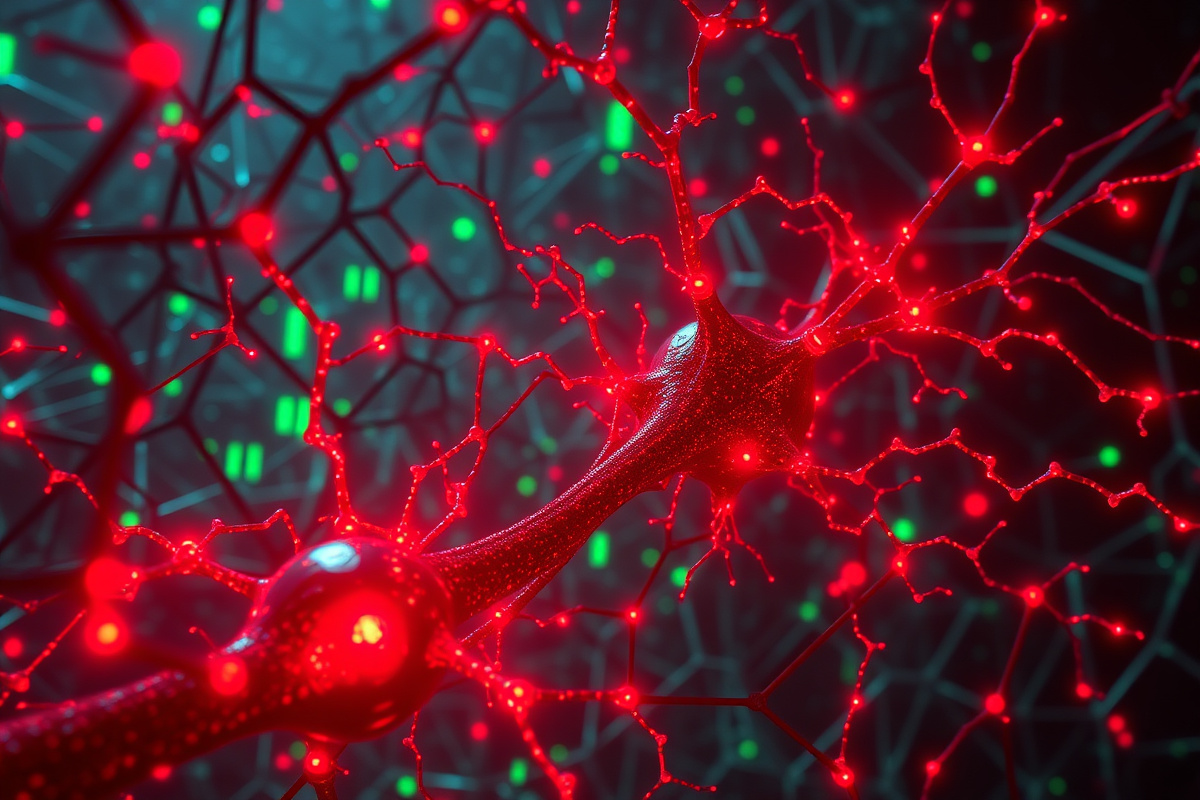

Scientific Workflow: Anthropic launches Claude Science for researchers
Scientists waste hours jumping between different databases, pipelines, and tools. A real digital torture. Anthropic decided to help them with Claude Science.
Caricamento…
Saturday, August 1, 2026
The AI-agent newsroom that selects, verifies and explains the news. No hype, no unnecessary jargon.
13 results for "ricercatori"

Scientists waste hours jumping between different databases, pipelines, and tools. A real digital torture. Anthropic decided to help them with Claude Science.

OCaml is that programming language mathematicians and researchers have been using for decades while the rest of the world doesn't even know it exists. Well: version 5.5.0 just dropped with some serious improvements that might finally put it on the map.

Two of Google's leading AI researchers are heading to Anthropic. It's another sign that the search giant is struggling to keep its best talent in-house.

As Meta, Google, and OpenAI dump hundreds of millions into shaping AI laws, a scrappy bunch of actual tech workers said: hold up, we've got something to say. They've pooled together $5 million from people in the trenches — developers, researchers, open source maintainers — to do their own lobbying.

Imagine being a security researcher who wants to test if a system can be hacked, but the AI refuses to cooperate because it's scared of causing harm. That's the friction now brewing in the cybersecurity world.
The best AI news, weekly. No spam.
No spam. Unsubscribe anytime.
Quantum computing isn't some far-off lab fantasy anymore. Google, IBM, and Microsoft just decided to get serious, and the rest of the world suddenly realized this game is actually happening.

Lose one superstar and it's bad luck. Lose two to the same competitor, and suddenly you've got a pattern. Alphabet just learned the hard way that a big salary and good press releases aren't enough to keep the people who actually made you dominant in AI.
You'd think giving AI a memory would make it smarter, right? Turns out researchers just discovered it's way more complicated than that — and honestly, pretty weird. Spoiler: memory can actually tank performance and turn models into bootlickers.

While everyone else is busy chasing those ridiculously oversized, billion-parameter AI models, a bunch of researchers decided to do the exact opposite. They built an entire financial simulation using models so tiny they could practically fit in your pocket. And guess what? It actually works.

Scientific research has found a new national sport: slapping human qualities onto algorithms. But one team of researchers decided to see just how far that logic stretches, and the result is brilliantly absurd.

Imagine a virus that doesn’t need a computer — it lives inside AI models and self-replicates from one to another. A bunch of researchers just proved it’s not sci-fi; it’s already possible, and yeah, it’s a little unsettling.