AI & Creators: Music, Film, Rights. Bloomberg's 2026 Vision.
·2 min read·Intermediate
“
Is AI the end of art, or its rebirth? Many lean towards the former, but tech leaders at Bloomberg Screentime 2026 have a different take.
In 30 seconds
01Suno CEO Mikey Shulman believes AI is expanding the music industry, not just disrupting it.
02Promise and Luma AI are leveraging AI for new frontiers in filmmaking production.
→
💡
What this means for you
For you, it means more music and films created in new ways, but also the need to understand who owns the rights to what AI produces. In short, a more creative future, but with a few more legal headaches.
Tired of just listening? Soon we could all be mini-Mozarts, or at least DJs. Suno's CEO has clear ideas on how AI will change music.
·2 min·Beginner
03Vermillio CEO Dan Neely reignited the debate around AI and creators' rights.
Did you think artificial intelligence was just here to mess with musicians and filmmakers? Well, judging by the conversations at Bloomberg Screentime 2026 in Los Angeles, the story's a bit more complex. Bloomberg's Ed Ludlow chatted with industry bigwigs, and there were quite a few surprises.
0101
Is AI really destroying music?
The answer, according to Suno CEO Mikey Shulman, is a resounding “no.” In fact, AI is reportedly expanding the music industry, opening new avenues rather than closing them. Imagine new genres, fresh collaborations, or simply more music for everyone.
This view is a bit like saying synthesizers killed classical music. Didn't happen, right? At Bloomberg Screentime 2026, Suno CEO Mikey Shulman stated that artificial intelligence is expanding the music industry, not limiting it. Maybe we just need to get used to the idea that creativity always finds new forms of expression.
0202
And what about cinema, how is AI changing it?
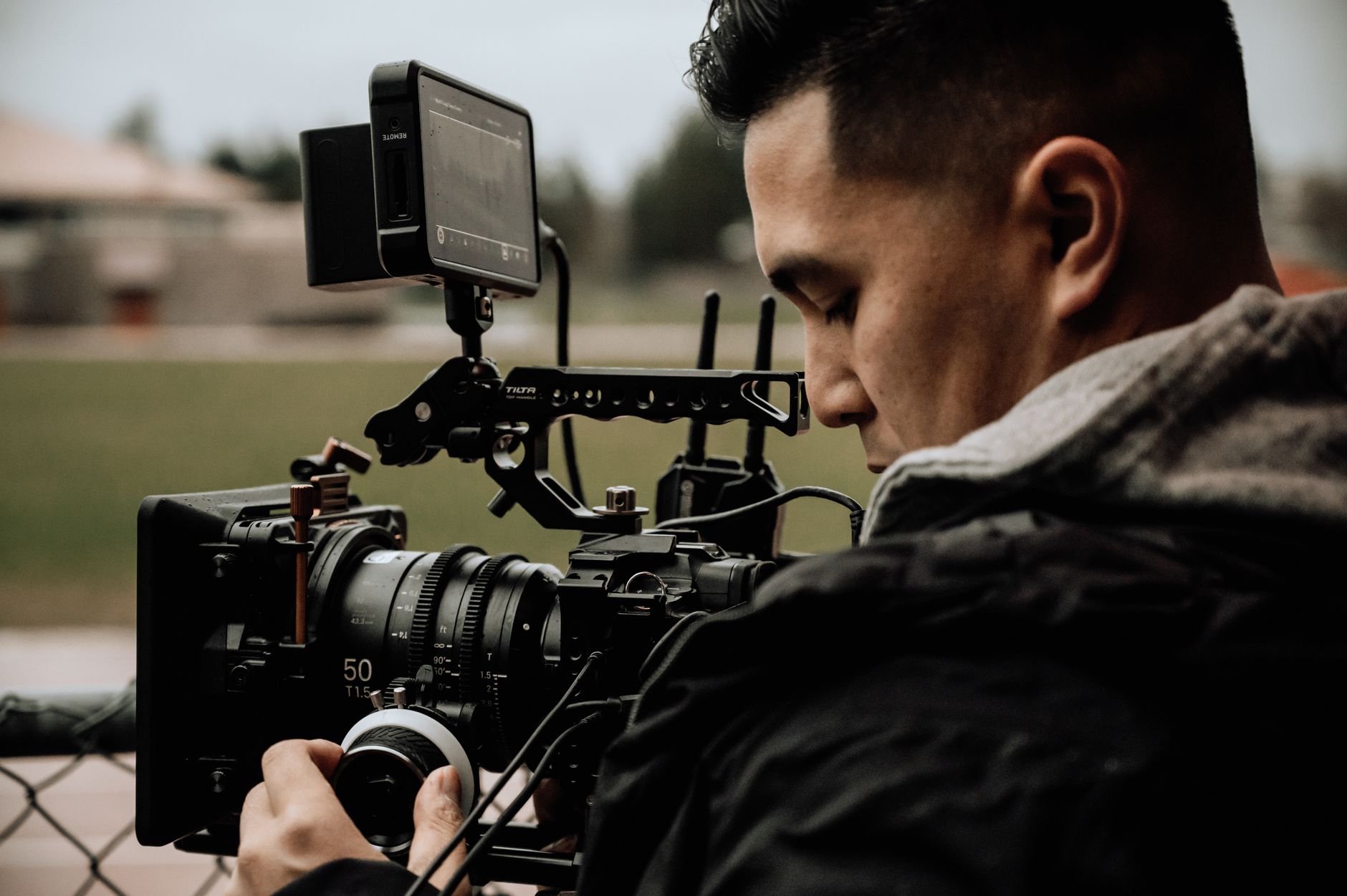
Here's where the magic of moving pictures comes in. Promise CEO George Strompolos and Luma AI COO Caroline Ingeborn confirmed that AI is becoming an increasingly important player in the film world. We're not just talking about special effects, but entire production processes are about to get a serious facelift.
📬 Enjoying this article?
Get the best AI news every week, straight to your inbox.
Luma AI, for example, is already working to make video production more accessible and innovative. This means that maybe one day making a Hollywood-level film won't be a titanic undertaking. Promise CEO George Strompolos and Luma AI COO Caroline Ingeborn discussed AI's growing role in filmmaking at Bloomberg Screentime 2026. Good news for those with ideas but limited budgets, wouldn't you say?
0303
Who owns the rights to what AI creates?
Ah, the sore spot. It's one thing to use AI to make cool stuff, it's another to figure out who owns the outcome. Vermillio CEO Dan Neely delved into the debate around creators' rights and artificial intelligence. It's quite a pickle, because current laws weren't written with “creative” machines in mind.
We're talking intellectual property, compensation, and who gets paid when AI “draws inspiration” from existing works. Neely stressed that this debate is crucial for the future of the creative industry. At Bloomberg Screentime 2026, Vermillio CEO Dan Neely addressed the debate on AI and creators' rights. It's no small issue, and a solution is still a long way off.
Making big-budget films on a shoestring? It sounds like sci-fi, but someone's actually doing it. A new studio is betting big on AI to produce blockbusters with tiny budgets.

 NUOVO
NUOVO